
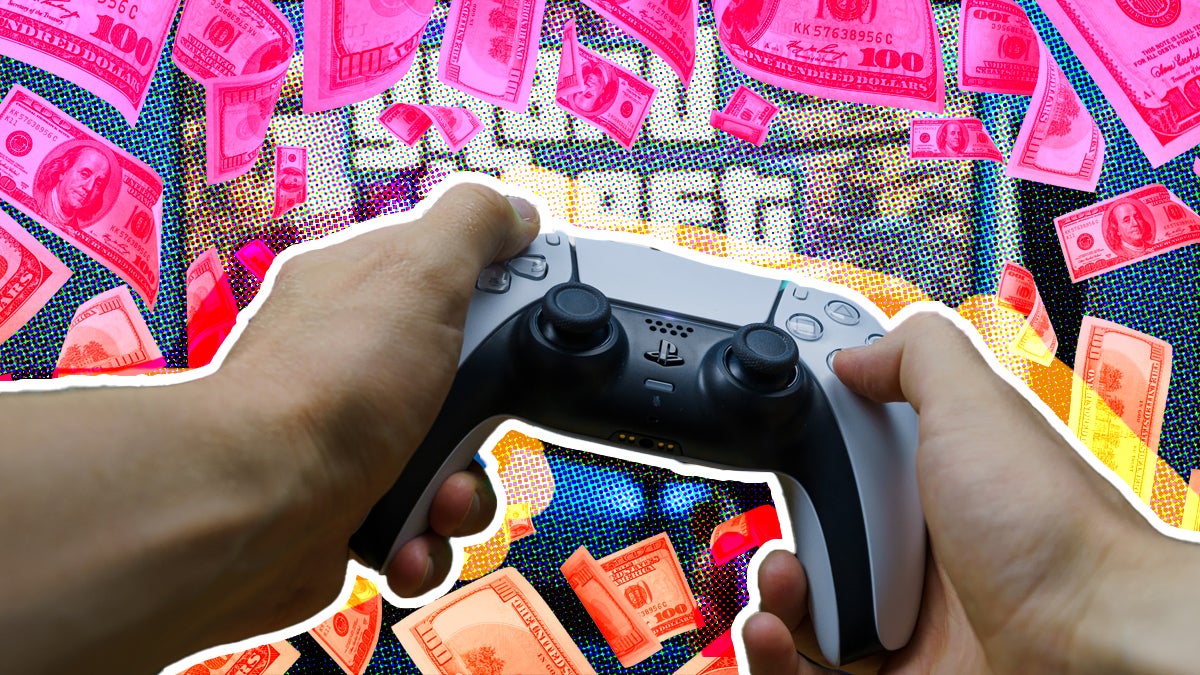
Decoding Game-Based Monetization: How Players Turn Time into Cash
Gaming has evolved far beyond a simple pastime in the living room; for many enthusiasts, it has transformed into a potential avenue for generating income. We used to believe that financial rewards were reserved strictly for competitive professionals, but the landscape is shifting. Today, understanding the economics behind the screen is just as important as having quick reflexes. It is not always about winning matches, but rather about how players can leverage their time, skills, and social influence within these digital ecosystems to create tangible value.
1. The Power of Streaming and Community Engagement
One of the most accessible ways players are monetizing their time is by shifting focus from pure gameplay to entertainment and community building. You do not always need to be the top-ranked player to succeed here; often, a charismatic personality or a unique playstyle draws a crowd. By streaming gameplay or creating insightful content, players cultivate a loyal audience. This attention creates an economy of its own, where support comes directly from viewers who value the entertainment provided. It is a fascinating dynamic where the ability to connect with others and sustain a community becomes the primary product, turning hours of gameplay into a service that others are happy to support.
| Factor | Description |
|---|---|
| Charisma | A unique personality can attract and retain viewers |
| Consistent Schedule | Regular streaming times to build a dedicated audience |
| Interactive Engagement | Actively involving the audience to foster a supportive community |
| Unique Playstyle | Offering something different to stand out from other streamers |
2. Understanding Virtual Economies and Asset Value
Another layer to this financial puzzle involves the intricate internal economies found within massive online worlds. In these digital environments, time spent gathering resources or acquiring rare items can sometimes translate into real-world value. Players often look for shortcuts, creating a demand for items or achievements that require significant time investments. While this area is complex and varies greatly depending on the specific rules of a game universe, the fundamental principle remains: if you have the patience to acquire what others want but lack the time to get, you possess a tradable asset. This effectively turns the game's internal market into a space where time and expertise are the currencies of choice.
Exploring Affiliate Marketing in Gaming: A Gateway to Extra Income
For many enthusiasts, the idea of earning money while engaging with their favorite hobby sounds like a dream. While becoming a professional esports athlete is highly competitive, affiliate marketing offers a much more accessible path for everyday gamers to monetize their content. This approach allows creators to partner with brands and earn commissions, turning a passion for gaming into a potential side hustle.
1. Understanding the Mechanics of Affiliation
Affiliate marketing is essentially a performance-based partnership between a content creator and a business. As a gamer, you can sign up for programs offered by hardware manufacturers, game developers, or digital marketplaces. Once approved, you receive unique tracking links to specific products, such as the latest gaming mice, headsets, or even downloadable game keys. When a viewer or reader clicks on your link and makes a purchase, you earn a percentage of that sale. This model is attractive because it does not require you to hold inventory or handle customer service. You simply act as a trusted bridge between the products you already love and the community that values your recommendations.
2. Building Trust with Your Audience
The cornerstone of a successful affiliate strategy is authenticity. It can be tempting to promote every product that offers a high commission, but your audience will quickly spot insincerity. To build a sustainable income, focus on recommending gear and games that you have personally tested and genuinely enjoy. Whether you are streaming on a live platform or writing reviews on a blog, your transparent feedback helps fellow gamers make informed decisions. By consistently providing value and honest opinions, you foster loyalty within your community. Over time, this trust translates into higher conversion rates, as your followers feel confident that supporting your links also means acquiring quality products for themselves.
Creating and Selling Game Assets: Crafting Your Way to Earnings
Ready to turn your creativity into cash? The gaming landscape is shifting, offering massive opportunities for creators to get involved.
1. The Digital Shift
The market is booming, driven by continuous growth in demand and an expanding base of consumers engaging with interactive entertainment. Notably, digital sales now constitute the vast majority of transactions, greatly outpacing physical media. This decisive trend fuels an ever-increasing need for the creation of digital content, encouraging innovation, diversification, and the development of new forms of creative expression within the industry.
2. A Massive Audience
The hardware base is staggering, with a large and growing number of gaming devices in active use. This massive, maturing market creates abundant opportunities for creators to monetize custom assets within expanding digital ecosystems. As more players engage with diverse platforms, the demand for innovative, user-generated content continues to rise, allowing creators to reach wide audiences and establish sustainable streams of income.
| Benefit | Challenge |
|---|---|
| Access to a Growing Market | High Competition |
| Flexibility in Creative Expression | Need for Technical Skills |
| Direct Connection with End Users | Constantly Evolving Market Demands |
| Opportunities for Collaboration | Navigating Intellectual Property Rights |
From Gamers to Streamers: Leveraging Streaming Platforms for Profit
Turning a passion for video games into a viable income source is an exciting prospect for many enthusiasts. However, moving from a casual player to a profitable streamer requires understanding the financial landscape and the mechanics of the platforms involved.
1. Understanding the Financial Reality
The digital landscape for gamers has evolved into a massive economy, characterized by a growing ecosystem where content creation, audience engagement, and interactive entertainment intersect. The transition from casual participation to dedicated streaming has opened new avenues for monetization, enabling individuals to transform their skills and creativity into potential income streams. While the prospects may seem appealing, it is essential to maintain realistic expectations regarding earnings. Only a small fraction of creators achieve substantial financial success, while the majority experience more modest returns that reflect the effort, consistency, and engagement required to build an audience. For most participants, streaming begins as a pursuit driven by passion and enthusiasm rather than an immediate source of wealth, emphasizing dedication and long-term growth over instant financial reward.
2. Strategies for Growth and Sustainability
Success in the streaming world often comes down to strategic planning and audience connection rather than just gameplay skill. Market trends highlight a 35% year-over-year growth in gaming viewership, suggesting that the audience is expanding rapidly. To capture this attention, creators are diversifying their presence. Strategies such as multistreaming are potentially boosting income by 25% by allowing streamers to be visible on multiple sites at once. Despite these opportunities, the sector remains competitive, with only 12% of streamers achieving full-time profitability. This necessitates consistent scheduling and strong community engagement to succeed, ensuring that viewers feel part of the journey and keep coming back for more.
In-Game Economy vs. Real-World Trading: Navigating Virtual Marketplaces
The boundary between virtual gameplay and real-world economics is becoming increasingly blurred, creating new avenues for players to capitalize on their digital achievements. Understanding how in-game assets translate into tangible value is essential for anyone looking to participate in these evolving markets.
1. The Surge of Digital Asset Value
It is fascinating to observe how substantial the flow of money has become within the gaming ecosystem. Recent industry data reveals that the sector saw significant growth with in-app purchases reaching USD 82 billion, driven by battle-pass models and dynamic pricing strategies that boost revenue per user. This underscores the immense value players place on digital customization and progression. Mobile gaming remains a dominant force, accounting for nearly half of total revenue, while platforms like Roblox demonstrate the potential for monetization through high-engagement rewarded videos. For players, this signals that the most vibrant economic opportunities often lie within high-traffic mobile and social gaming environments where user engagement is highest.
2. Risks and Rewards in Real-Money Trading
Once players acquire valuable digital items, the next step often involves moving that value outside the game environment. Players often navigate marketplaces such as Steam or third-party sites to convert virtual goods from games like CS:GO into real currency via PayPal or cryptocurrency. While this offers a direct path to liquidity, it requires navigating a complex landscape of rules. This income stream comes with challenges, including strict platform policies against real-money trading and potential account bans, requiring participants to carefully balance earning potential with regulatory compliance and market volatility. It is crucial to be fully aware of a game's terms of service to avoid losing your accumulated assets in the pursuit of real-world profit.
Q&A
Q1: How do players monetize their gaming time through streaming and community engagement?
A1: Players monetize their gaming time by streaming gameplay or creating content that engages a community. They do not need to be top players; having a charismatic personality or unique playstyle can attract an audience. Viewers support streamers they enjoy, creating an economy where community connection and entertainment become valuable, turning gameplay hours into a service.
Q2: What is the fundamental principle of in-game economies that allows players to translate virtual assets into real-world value?
A2: The fundamental principle of in-game economies is based on acquiring items or resources that other players want but do not have the time to obtain. In these virtual marketplaces, time and expertise are currencies, allowing players to trade their acquired digital assets for real-world value.
Q3: How can gamers benefit from affiliate marketing without needing to hold inventory?
A3: Gamers can engage in affiliate marketing by partnering with brands and promoting products through unique tracking links. When their audience makes a purchase via these links, gamers earn a commission. This process does not require managing inventory or customer service, as they simply connect products with their community through recommendations.
Q4: What are the potential risks associated with converting virtual in-game assets into real-world currency?
A4: Converting virtual assets into real-world currency involves navigating marketplaces and adhering to rules, as platforms may have strict policies against real-money trading. Such risks include potential account bans and market volatility. Players must comply with platform terms to avoid losing their virtual assets.