
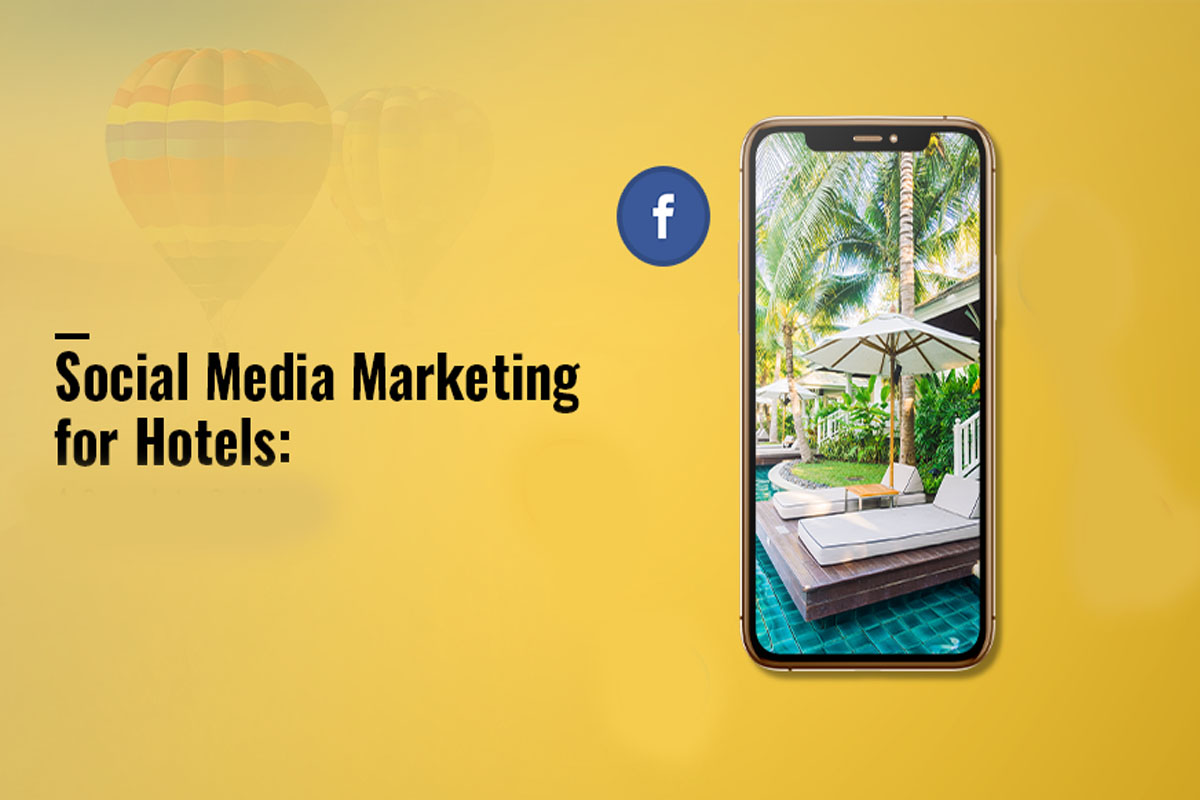
The Shift from Scrolling to Serious Trip Plans
From daydreams in the feed to real stay decisions
Many stays begin with distracted browsing rather than a firm itinerary. Someone pauses on a rooftop sunset, a slow‑motion pour at the lobby bar, or a point‑of‑view walk into a suite. They’re not price‑shopping yet; they’re testing how a place feels. That first emotional spark quietly displaces old habits of starting on big third‑party sites.
When follow‑up creatives appear—room carousels, short vertical tours, or offer‑driven posts—the property moves from “pretty” to “possible.” Each impression answers one more question: space, vibe, crowd, rituals. The journey stops being only about nightly rates and becomes about fit: “Is this how I want this trip to feel?”
Behind the scenes, better use of behavior signals and creative testing tightens the link between that first swipe and a direct booking. Assets aren’t just decorative; they have jobs: reduce doubt, make the property feel familiar, and keep the guest inside the hotel’s own ecosystem instead of drifting back to anonymous listings.
Matching the landing page to the promise in the feed
The breakage often happens at the click. A guest moves from fluid stories into a cluttered homepage or generic search widget, and the emotional thread snaps. Smoother paths keep intent alive: if an ad teases a three‑night escape with late checkout, the landing page should open on that exact experience—same visuals, language, and tone.
Social visitors expect quick answers: what’s included, how flexible the terms are, whether booking direct brings clear advantages. Compact copy, visible benefits, and simple calls to action (“Check availability,” “Explore rooms”) serve both decisive planners and slower browsers.
When the visual and emotional continuity holds, the booking engine becomes the final scene in a story that started in the feed, not a cold reset screen. Guests feel they’re completing something they already started, which makes confirming on the hotel’s own site feel natural rather than risky.
Creatives That Make Guests Feel “Already There”
Turning visuals into mini‑visits, not static postcards
Strong hospitality creatives don’t just show spaces; they stage moments. A key card dropping on a nightstand, steam rising from a coffee by the window, kids racing toward a pool at golden hour—these scenes invite viewers to place themselves inside. The more clearly they can imagine “me there,” the closer they move to a direct stay.
Borrowing from high‑end storytelling helps: fewer wide shots of empty lobbies, more vignettes of life in motion. Motion can be subtle: a door closing softly, curtains opening to a city view, plates arriving at a table. Each short clip acts like a mini‑visit, answering questions guests usually ask later: size, light, atmosphere, flow.
Interactive formats deepen that effect. Carousels can stage “choose your stay” journeys; short videos can follow a guest from arrival to nightcap. Every tap keeps people in the hotel’s world a few seconds longer—and every second reduces the urge to bounce back to comparison grids.
Using reels and stories to guide different mindsets
Stories work best for fast, low‑pressure impressions: a sunrise from the balcony, tonight’s dessert, a quick room‑turnover time‑lapse. Their temporary nature makes them perfect for testing tones, themes, and hooks. A few linked frames can nudge someone from casual curiosity toward clicking a profile link.
Reels carry more narrative weight. A one‑minute “day in the life” sequence—arrival, room reveal, pool dip, cocktail, night view—functions as a compressed stay experience. Guests save, share, and revisit these pieces when trip planning turns serious.
Used together, they form a path: Stories spark interest, reels build desire, and links or buttons provide the practical next step. Instead of shouting “book now,” the content sequence quietly answers, “Why here, and why straight with us?”
| Creative format | Best job it can do for a hotel | Ideal call‑to‑action style |
|---|---|---|
| Stories | Quick mood hits, testing angles, reminding past visitors | Light prompts to swipe, tap profile, or DM questions |
| Reels | Immersive stay previews, emotional anchoring | Invites to save, share, explore specific offers |
| Photo posts | Brand recognition, clear rate/benefit framing | Direct nudges to check dates on the site |
Used intentionally, each format pushes viewers one step closer to thinking of the hotel as “my place” rather than just one more tile in a long list.
Turning Social Clicks into Direct Revenue
Designing offers that feel like smart insider choices
Pure discounts rarely convince guests to abandon familiar intermediaries. What changes behavior is the sense that booking direct unlocks something meaningfully better: flexible terms, thoughtful extras, or tailored experiences that simply aren’t available elsewhere.
Experience‑led packages tend to work best: late checkout bundled with breakfast for weekend stays; spa or bar credits for couples; workspace perks for business travelers; kid‑friendly add‑ons for families. The cash value doesn’t need to be huge; it needs to be clear, believable, and obviously tied to the stay style that creative is selling.
Transparency is part of the offer. Plain‑language pricing, simple change rules, and visible inclusions ease the anxiety many guests feel when stepping off a big platform. On social, that clarity needs to fit into a line or two and be repeated exactly on the landing experience.
Making the booking flow feel as light as the scroll
Many travelers now move straight from an ad to a mobile checkout flow. If the site forces long forms, account creation, or tiny tap targets, intent evaporates. Streamlined interfaces—auto‑filled fields, minimal steps, mobile‑first layouts—keep the rhythm of the platform they just left.
Visible reassurance at the final step matters: confirmation screens that echo earlier visuals, short human copy, clear contact options, and a restatement of benefits secured by booking direct. Seeing the exact room type, view, or package name they chose closes the loop between the moment they first imagined the stay and the moment they lock it in.
When that “last mile” is smooth, campaigns can confidently push for direct action instead of treating social as awareness only. Every optimized checkout becomes proof that the feed can function as a full revenue channel, not just a billboard.
Finding and Nurturing the Right Guests
Focusing on guest value, not just volume
Some visitors stay once on a bargain, barely use on‑property services, and never return. Others book longer or higher‑value stays, spend across outlets, and come back often. Social campaigns that chase only cheapest clicks tend to attract the first group. Shifting focus to “most valuable potential guests” changes everything.
Internal history—lengths of stay, booking lead times, room categories chosen, on‑site spend patterns—can be translated into audience signals for social platforms. Instead of handing over one big, mixed list, segment past guests into meaningful clusters: frequent returners, high‑spend families, package‑lovers, corporate regulars.
These segments then guide creative angles and campaign structure. The platform’s systems learn from the best guests, not just any guests, and start finding new people who behave similarly. The result often shows up not only in revenue reports but also at the front desk: easier conversations, higher satisfaction, and stronger loyalty potential.
Letting algorithms and humans share the targeting work
Platform tools are powerful at spotting patterns, but hotel teams know context: seasonality, local demand surges, on‑property capacity, and service limits. The best results come when automated learning and human judgment steer each other.
Marketing teams define what “great guest” means for the property; platforms expand from those blueprints; on‑site teams report back on how those guests feel to host. Feedback loops then refine segments, budgets, and creative: more weight on audiences that become advocates, less spend on those who only chase the lowest rate.
A small experimental budget reserved for new interests or regions avoids over‑locking into one profile and keeps future demand pipelines open. Over time, the hotel’s presence in feeds feels less like broad shouting and more like precise invitations to the people most likely to become fans.
Building Community and Ongoing Loyalty in the Feed
Letting loyalty live where guests already scroll
Traditional loyalty often hides behind logins and fine print. On social platforms, it can be reframed as a visible, human experience: familiar greetings in comments, returning‑guest rituals in short videos, quiet upgrades or treats shown in stories. The emphasis shifts from earning charts to “this is how it feels to belong here.”
Simple promises work best: direct members always see better value than public rates, returning guests unlock extra touches every time, or community followers get first access to certain experiences. Those ideas can be pinned, highlighted, and woven into replies so they become part of the brand’s everyday voice rather than an occasional campaign.
Using groups and messaging as an always‑open lounge
Closed or semi‑open communities can turn one‑time scrollers into long‑term warm leads. A group focused on weekend escapes, family trips, or food‑centric stays gives interested people a reason to stay close even between journeys. Inside, the tone shifts from broadcasting to conversation: Q&As, polls, guest tips, behind‑the‑scenes peeks.
Direct messages function as a modern front desk. Quick, friendly answers about dates, room setups, celebrations, or accessibility reassure guests that the property will treat their situation with care. From there, sharing a direct booking path with appropriate perks feels natural, not pushy.
| Guest behavior pattern | Useful hotel response in social channels | Likely impact on direct stays |
|---|---|---|
| Frequently saves or shares stay content | Offer to answer trip questions via DM, surface relevant experiences | Higher trust and likelihood to book straight with the property |
| Messages about specific needs before booking | Provide tailored options plus clear direct path | Reduced reliance on generic third‑party listings |
| Posts about past stays and tags the hotel | Public thanks plus subtle reminder of member benefits | Stronger repeat intent and advocacy |
When content, offers, targeting, and relationships all meet inside the same feeds where guests already live their digital lives, the path from casual scroll to direct stay becomes shorter, smoother, and far more profitable for the hotel than any anonymous listing ever could be.
Q&A
- What should I look for in hotel social media case studies before hiring an agency?
Focus on verifiable metrics like uplift in direct bookings, cost per booking, occupancy in low season, and length of stay, plus real screenshots, client names, and clear explanations of targeting and creative strategy. -
What are the key elements of effective Facebook ads for hotels in the U.S. market?
Strong offers, mobile-optimized landing pages, localized targeting, high-quality visuals, urgency-driven messaging, and easy-to-use booking flows are crucial, supported by robust tracking via Meta Pixel and aggregated events. -
How can I design a hotel Facebook engagement strategy that actually leads to bookings?
Combine engaging content like local tips and UGC with retargeting ads to people who interact with posts, then move them into offer-based campaigns that push them to book directly on your site instead of OTAs.