
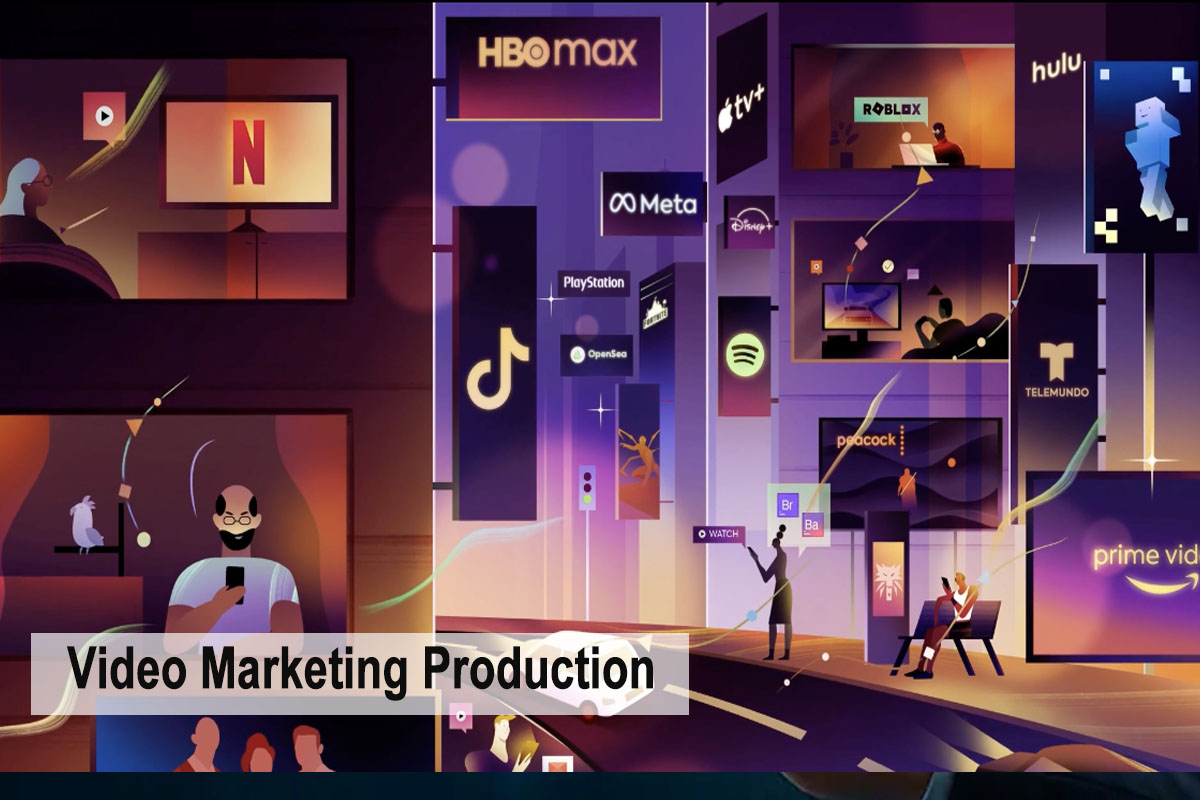
From Scroll To “Wait, What?”: The Active Pause
The tiny decision that makes or breaks your video
The most important moment in modern marketing isn’t a big launch or a huge view count; it’s a half‑second micro‑choice. A stranger is scrolling. Their brain is on autopilot. Then something in your frame makes their thumb hesitate. That “active pause” is the difference between being background noise and becoming a memory. It happens when three layers stack quickly: a clear visual or verbal hook that snaps attention, an immediate sense of personal relevance, and a flicker of emotion. When those click together, a viewer shifts from passerby to participant. They don’t just “see content;” they feel invited into a situation. In that instant, the algorithm takes note—but more importantly, so does their nervous system.
Why caring beats raw reach every single time
Feeds today are flooded, so platforms quietly reward depth over volume. A clip that reaches fewer people but sparks saves, comments, shares, and longer watch times often outperforms a shallow “hit” that nobody remembers. That’s why broadcast-style spots struggle in vertical feeds. They were built for half-attention living rooms, not phones clutched in busy hands. In a scroll-first world, the only metric that really matters is voluntary focus: did someone care enough to keep watching and do one small next thing? That might be replaying, sending it to a friend, or clicking through to learn more. Those micro-actions are the fingerprints of genuine impact. The job of any production partner or in‑house team is no longer just “get seen,” but “earn that active pause on purpose.”
Turning Clips Into Stories People Feel
Starting inside a human moment, not inside a logo
Every powerful short video starts in the middle of a life, not in the middle of a deck. Instead of opening with branding, it drops viewers into a recognizable moment: a frazzled manager late for a meeting, a founder staring at a scary metric, a parent juggling tabs and texts. That lived fragment does three things fast. It signals, “This is about you or someone you know.” It hints at stakes—time, money, trust, pride—without a single bullet point. And it buys another few seconds of attention so a story can unfold. From there, the brand slips in as a supporting actor, not the hero: a tool that un-jams a workflow, a service that removes a headache, a team that shows up when things break. Viewers don’t remember taglines; they remember how that little scene made them feel about their own lives.
Building a story spine in under 20 seconds
Even the loosest “off-the-cuff” clip that performs well usually hides a simple spine: setup, tension, turn, payoff. The setup is the hook image or line. Tension is the honest problem: the glitchy dashboard, the awkward silence in a sales call, the confusing onboarding. The turn is a shift the viewer can feel—someone tries a different approach, taps a feature, calls in help. The payoff is emotional resolution, not a feature list: the shoulders relax, the inbox calms down, the meeting ends with relief instead of embarrassment. Great partners design this spine intentionally, then compress it into the few beats a scroll environment allows. The structure doesn’t make the story stiff; it makes it legible in chaos. People don’t need long explanations; they need a clear “before” and “after” they can map onto themselves.
Creators, Micro-Influencers, And Collaborative Storytelling
Why smaller creators are becoming your most powerful channel
Big follower counts look impressive in a pitch deck, but smaller creators often move the needle more. Their audiences are tighter, comments more real, and trust higher. People treat them like friends, not celebrities. That makes their videos a perfect place for brands to show up as part of real life instead of as an interruption. Businesses across categories are quietly shifting budget toward these voices and away from a few giant placements. They’re discovering that a cluster of ten or twenty niche creators, each speaking in their own style, can create a richer, more believable presence than a single glossy endorsement. The feed then fills with slightly different takes on the same story—morning routines, try‑ons, “I wish I’d known this sooner” moments—which feels organic because it is.
Building a living ecosystem instead of one‑off “collabs”
One sponsored post is a spark; an ecosystem is a campfire. Instead of thinking in isolated deals, forward‑looking teams map out seasons of collaboration. They invite creators to riff on a shared emotional idea—relief, confidence, pride, calm—using their own formats and favorite platforms. Some lean on humor with fast cuts; others do direct‑to‑camera mini‑pep‑talks; others build soft, aesthetic vignettes. Across reels, shorts, stories, lives, and community posts, a pattern starts to form: the same brand keeps showing up in different, human ways. Discovery surfaces amplify that pattern as algorithms notice viewers lingering, commenting, and sharing. Over time, the brand stops feeling like a stranger and starts feeling like part of the backdrop of that little corner of the internet.
| Creator Role In Your Video Ecosystem | Best Use Cases | Brand’s Ideal Posture |
|---|---|---|
| Micro lifestyle storytellers | Everyday use, relatable routines, soft launches | Co-design prompts, trust their tone |
| Niche subject experts | Product depth, “how it actually works,” B2B education | Provide facts, protect accuracy, avoid jargon |
| Comic/meme creators | Awareness spikes, reframing boring topics | Loosen control, set guardrails not scripts |
| UGC-style testers | Social proof, reviews, objections handling | Encourage honesty, don’t over-polish |
A mix like this lets you cover rational questions and emotional resonance at the same time, without any single creator carrying all the weight.
Making Video Production Sustainable, Not Just Flashy
Building a workflow where AI helps but humans decide
Modern tools can transcribe, rough‑cut, caption, resize, version, and even suggest hooks. Used well, they free humans from drudgery so more time goes into story and strategy. A healthy workflow in a U.S. marketing team might look like this: strategy and narrative beats are hammered out by humans; long shoots or webinars are fed to machines for highlight detection and draft cuts; editors shape those drafts into emotionally coherent stories; then automation spins out language variations, aspect ratios, and subtitles for different channels. At each stage, someone is clearly accountable for taste, ethics, tone, and factual accuracy. The tool is the accelerator, not the driver. That’s how you get the speed of automation without turning everything into flavorless mush.
Deciding what to insource, what to outsource, and what to automate
Not all video is created equal, and neither should your investment be. A useful way to think about your slate: mission‑critical flagships, mid‑tier workhorses, and lightweight social snacks. Flagships—brand films, investor stories, recruiting anchors, evergreen explainers—deserve expert partners and deeper collaboration. Mid‑tier assets—feature walkthroughs, testimonials, sales enablement clips—might blend in‑house leads with specialized freelancers and smart templates. Snacks—quick updates, reactive posts, behind‑the‑scenes clips—can be largely DIY, supported by automation for captioning and layout.
| Content Tier | Typical Goals | Smart Production Approach |
|---|---|---|
| Flagship stories | Reputation, trust, long-term use | Strategic partners, high craft, deep discovery |
| Mid‑tier explainers | Clarity, objection handling, nurturing | Hybrid teams, reusable frameworks, light automation |
| Social snacks | Frequency, culture fit, experimentation | Creator-style shooting, heavy automation, rapid testing |
When every piece has a clear “weight class,” decisions about budget, timelines, and collaborators become simpler—and your whole video program feels less like chaos and more like a system.
The mindset shift that separates brands people skip from brands people seek out
Underneath all the tactics sits one quiet question: do you see every view as an entitlement or every pause as a privilege? The former mindset churns out louder, shinier clips to fight for attention. The latter treats attention like something earned moment by moment—with relevance, honesty, and craft. In the United States, where feeds are saturated and audiences are quick to call out anything that feels fake, the brands that win are rarely the noisiest. They are the ones that respect the scroll. They start inside real lives, design stories that can live across creators and formats, use technology to serve clarity instead of replace humanity, and measure success by how many people felt something clear enough to do the next tiny thing. In that next tiny thing lives the beginning of loyalty.
Q&A
-
How does a Video Marketing Agency differ from a traditional video production vendor?
A Video Marketing Agency not only produces videos, but plans strategy, audience targeting, distribution, and performance tracking, ensuring videos support business goals rather than just looking visually appealing. -
What business problems can a Branded Video Content Agency solve beyond brand awareness?
A Branded Video Content Agency can support recruitment, investor relations, internal culture building, product education, and customer retention by using consistent narratives that reinforce brand values at every touchpoint. - How can a Corporate Video Production Company modernize traditional corporate communications?
They can replace lengthy PDFs and slide decks with concise, story‑driven videos for onboarding, compliance, executive messages, and investor updates, improving engagement, message retention, and perceived transparency.